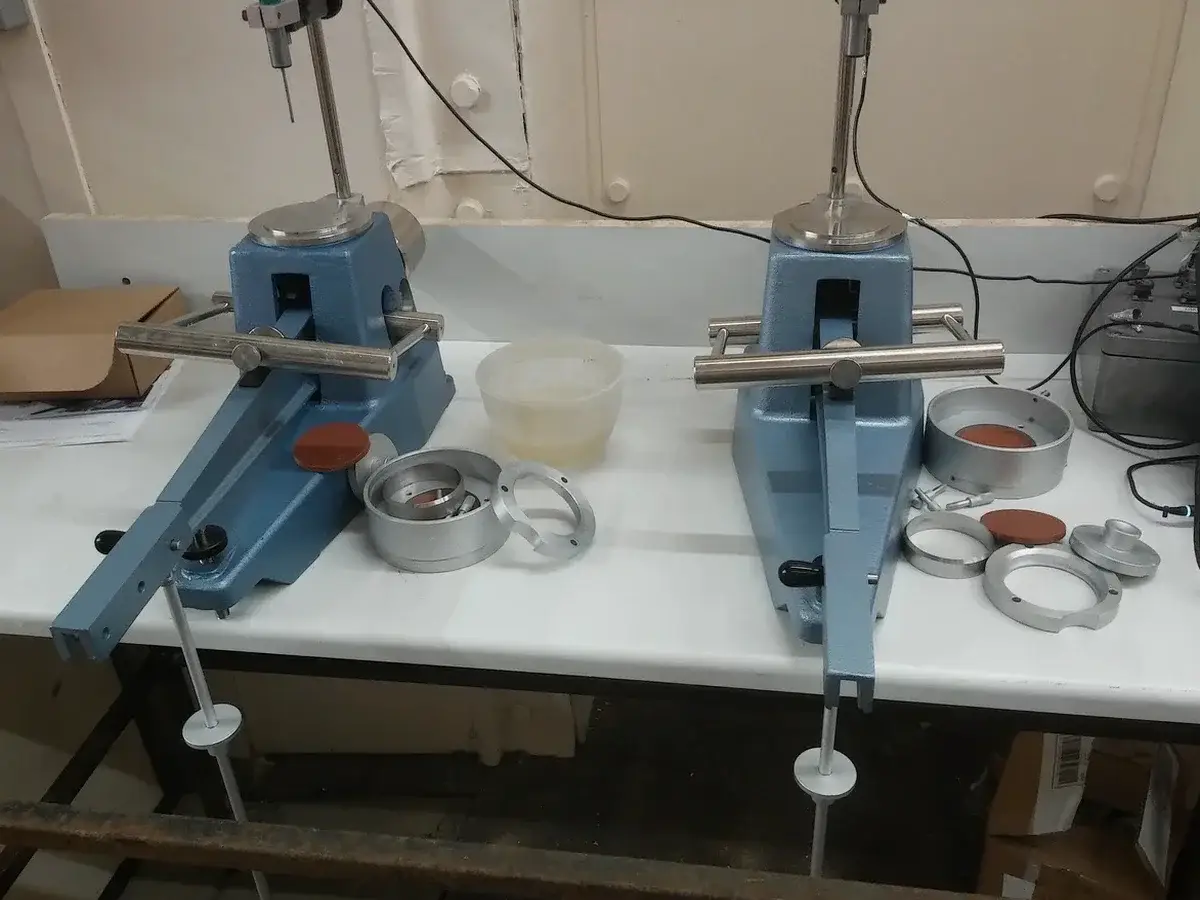
The soil profile in Dublin changes more than people expect. In the northside, around the old docklands, we hit estuarine silts and organic clays that feel almost greasy between your fingers. Head south toward the granite foothills of the Dublin Mountains, and the fines content drops off, replaced by sandy glacial tills that barely hold together when you roll them. These two extremes demand a clear picture of the clay fraction, and that is where Atterberg limits testing does the job. Instead of guessing why a trench wall collapsed off the Malahide Road or why a borehole sample from Sandyford crumbled on the table, we measure the liquid limit and plastic limit in the lab, following BS 1377-2:1990 procedures. The numbers tell you whether the material will swell, shrink, or turn to slurry under wet conditions, which is exactly what engineers need before signing off on a foundation design. We complement the data with a grain-size distribution when the fines content is borderline, and for deeper strata we often cross-check against an SPT drilling log to see how the plasticity relates to the N-values.
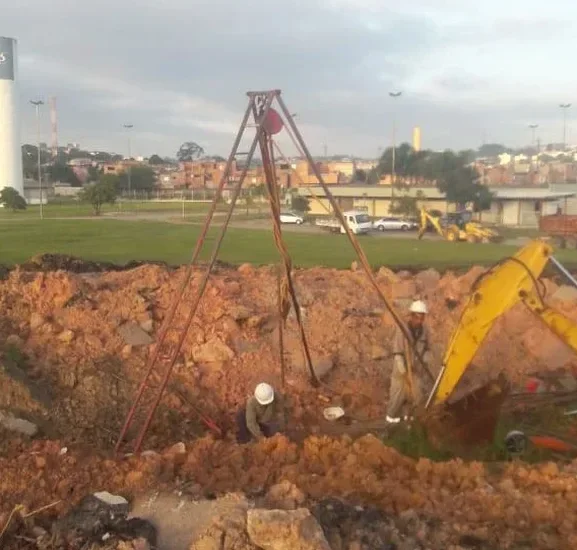
If the plasticity index is over 30 and the natural water content is at or above the liquid limit, you are not looking at a bearing stratum. You are looking at a problem that needs a Improvement strategy.