Geotechnical Engineering
DUBLIN
HomeInvestigationCalicata exploratoria

Exploratory Test Pit Services in Dublin: Site Characterisation That Holds Up in Irish Conditions

Site investigations you can build on.

LEARN MORE

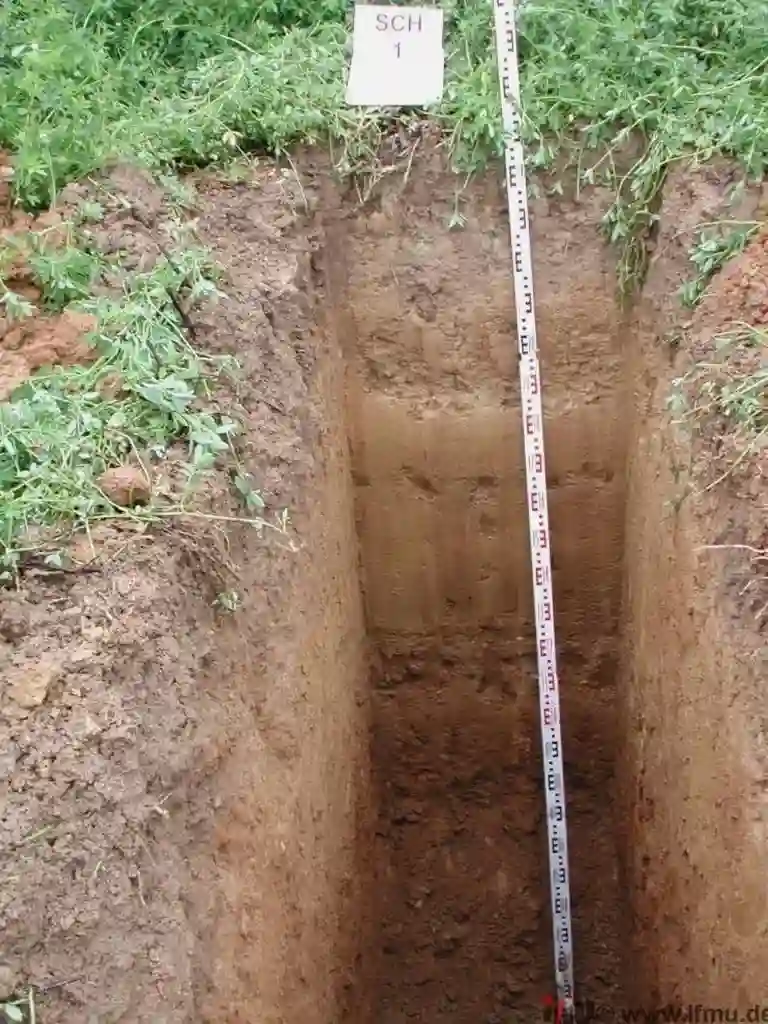
More than one contractor in Dublin has pulled out muck from a shallow trench, assumed it was competent boulder clay, and poured the strip footing without a second thought. The problem: Dublin’s glacial till hides lenses of soft silty clay and pockets of running sand that don’t show up in a borehole log unless you’re looking right at them. An exploratory test pit opens a window straight into the ground profile—no extrapolation, no disturbed cuttings, no guessing. We excavate to 4.5 m depth where access allows, log the strata per BS 5930:2015, and sample at intervals that catch those thin interbeds. For deeper refusal verification the team often pairs the pit with SPT drilling where the till stiffens, and in loose backfill zones we run sand cone density tests to confirm compaction before the concrete goes in. In a city where site histories range from medieval basements to 1990s infill, skipping direct observation is a gamble you don’t want to take.

A test pit doesn’t just expose soil—it catches the thin interbeds, seepage zones, and backfill surprises that boreholes routinely miss.
Process overview

The boulder clay that underlies much of Dublin—known locally as Dublin Black or brown till—can vary from stiff gravelly clay to soft laminated silt within a single site, a legacy of the last glaciation that scraped and redeposited material across the Liffey basin. Test pits let us map that transition in real time. We log consistency, moisture, cobble content, and any groundwater seepage the moment the bucket lifts the material. On a recent project near the Grand Canal Dock, a CPT test identified a low-resistance layer at 3 m; the exploratory pit confirmed it was a thin lens of organic silt sitting directly on lodgement till. We collected block samples for triaxial strength testing and bag samples for grain size analysis, all handled under chain-of-custody to our ISO 17025 lab. The pits also serve as calibration points for geophysical surveys: when we run MASW across a site in Tallaght, we position a pit at the array midpoint to tie the Vs profile to a logged lithology. No indirect method replaces a geologist standing at the excavation face with a hand lens and a field vane.
Exploratory Test Pit Services in Dublin: Site Characterisation That Holds Up in Irish Conditions
Technical reference — Dublin

Local context

For exploratory pits in Dublin we deploy a 13-tonne tracked excavator with a cleanout bucket: enough reach to get through the made ground, enough weight to cut a clean face through stiff till without smearing the profile. Once the trench is open, the risk assessment shifts from mechanical to geotechnical. Unshored excavations deeper than 1.2 m in loose fill or running sand can collapse without warning—we enforce the Health and Safety Authority confined-space and excavation protocols without exception. Gas monitoring runs continuously when the pit is within 15 m of a known landfill or backfilled quay wall, which covers a surprising number of Dublin sites along the Royal and Grand Canals. If the logged profile reveals soft clay extending below the planned footing elevation, we flag the need for a slope stability review or a retaining wall design change before the excavator leaves the site. The pit becomes a decision point, not just a hole in the ground.

Need a geotechnical assessment?

Reply within 24h.

Email: [email protected]

Visual overview


Reference standards

BS 5930:2015 – Code of practice for ground investigations, Eurocode 7 (I.S. EN 1997-2:2007) – Ground investigation and testing, Health and Safety Authority (HSA) – Code of Practice for Avoiding Danger from Underground Services, ISO 17025 – Laboratory testing quality management

Technical data


ParameterTypical value
Maximum excavation depth (standard)4.5 m below ground level
Bucket width300–600 mm, depending on access
Logging standardBS 5930:2015 + Eurocode 7
Sampling methodBlock samples, bulk bags, Shelby tubes from pit floor
Groundwater observationImmediate seepage noted, standpipe install optional
Backfill specificationCompacted granular fill or flowable fill per spec
Typical depth to lodgement till in Dublin1.5–5.0 m, highly variable

Common questions

How much does an exploratory test pit cost in Dublin?

A single exploratory pit with machine, operator, geologist, and a factual report typically falls between €400 and €800, depending on depth, access constraints, traffic management needs, and the number of samples collected. Sites requiring a banksman, confined-space measures, or disposal of contaminated arisings will push toward the upper end.

Do test pits replace boreholes for a Dublin site investigation?

They complement them. A test pit gives you a direct view of the shallow profile and lets us take undisturbed block samples, but it’s depth-limited. Boreholes reach deeper strata and allow standard penetration testing. Most Dublin projects use both: pits for the upper 4 m and boreholes for the deeper glacial sequence.

What depth can you reach with a test pit in Dublin’s till?

With a 13-tonne excavator we routinely reach 4.0–4.5 m in competent till. If the till is heavily overconsolidated or contains large granite cobbles, refusal may occur around 3.5 m. We adjust the machine size once we see the preliminary site plan.

How long does a test pit take from excavation to backfill?

A straightforward pit on open ground takes about 2–3 hours: 30 minutes to excavate, an hour to log and sample, and another hour to backfill and compact. Sites with buried services or restricted access add time because we hand-dig the first 1.2 m before the machine enters.

Location and service area

We serve projects across Dublin and surrounding areas.

View larger map